The Benefits of Paintless Dent Repair (PDR) vs. Traditional Dent Repair
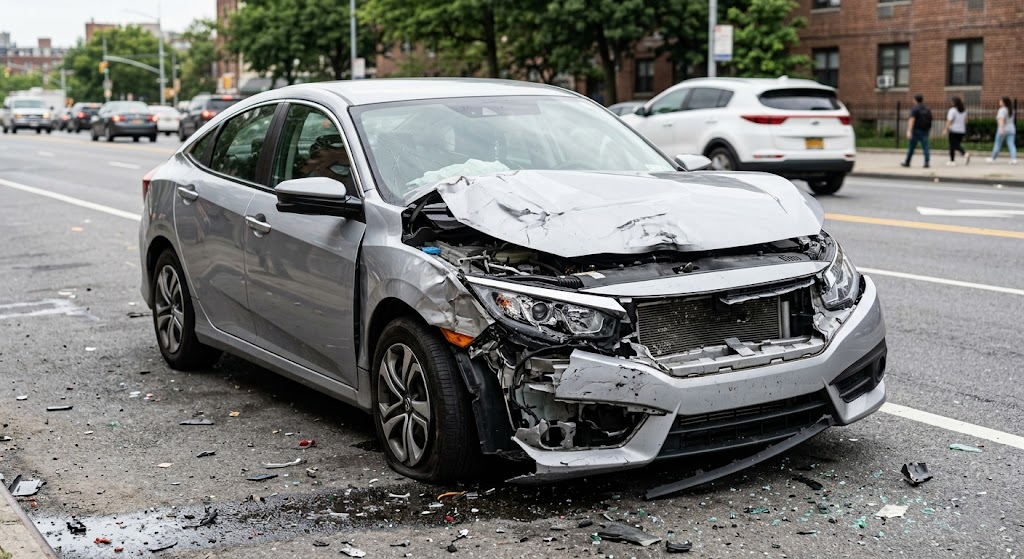
If your vehicle has dents from hail, parking lot accidents, or minor collisions, you may be wondering which repair option is best: paintless dent repair or traditional dent repair. Both methods restore damaged panels, but they work in very different ways.
Paintless dent repair (PDR) removes dents without sanding, filling, or repainting the vehicle. Traditional dent repair involves body filler, sanding, and repainting damaged areas.
For many minor dents and hail damage cases, paintless dent repair is faster, more affordable, and preserves the original factory finish of the vehicle. Skilled technicians, such as those at Moreno's Elite Autoworks LLC, often recommend PDR whenever possible because it provides excellent results with minimal downtime.
Understanding the difference between these two repair methods can help you choose the right solution for your vehicle.
What Is Paintless Dent Repair (PDR)?
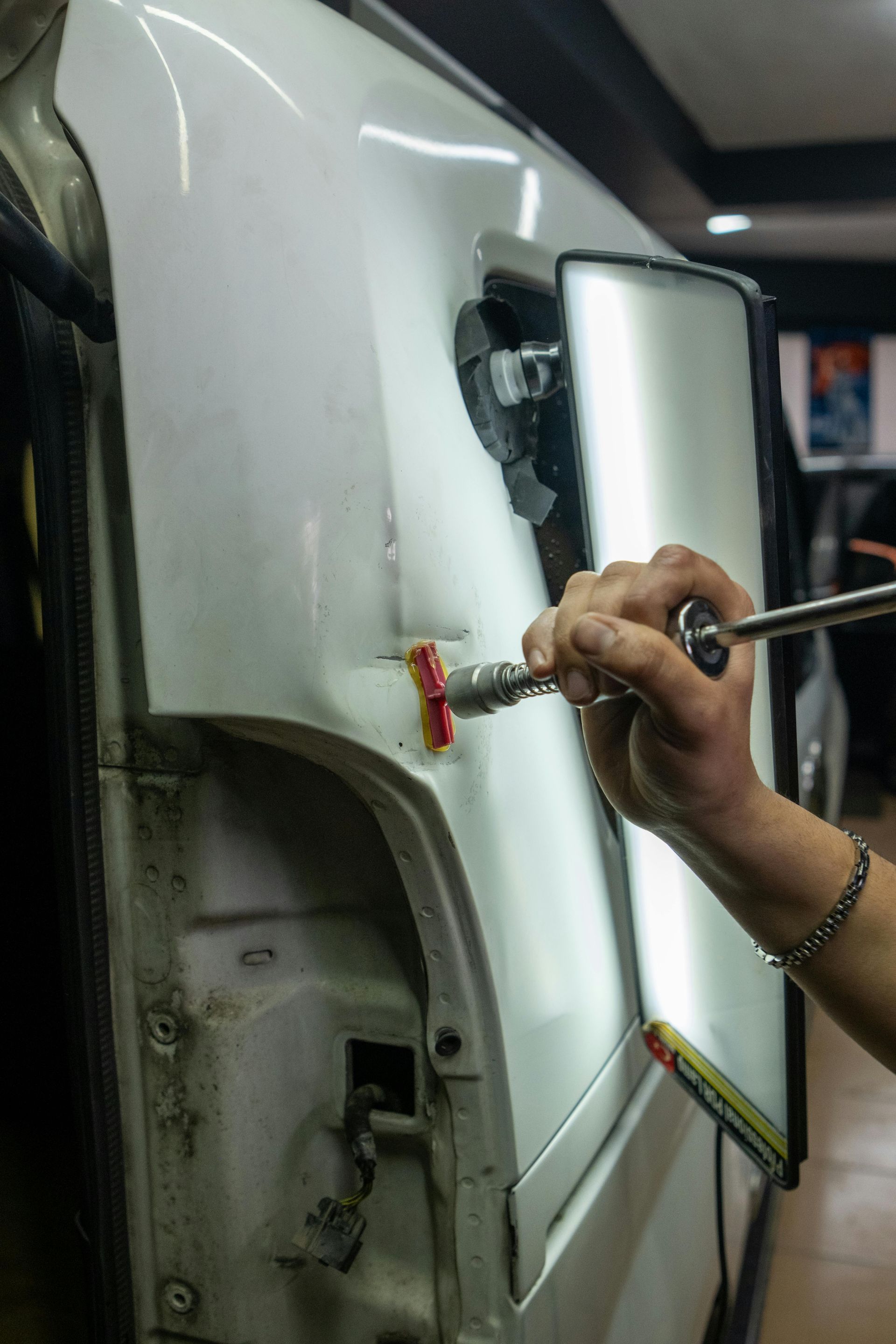
Paintless dent repair is a specialized technique that removes dents by carefully reshaping the metal from behind the panel. Instead of sanding and repainting, technicians use precision tools to gently massage the dented metal back into its original position.
This technique works best when:
- The paint is not cracked or chipped
- The dent is shallow
- The metal has not been stretched severely
- The damage is caused by hail or minor impacts
Common types of damage repaired with PDR include:
- Hail damage
- Small door dings
- Minor parking lot dents
- Creases in body panels
Because the paint remains untouched, PDR maintains the factory finish of the vehicle, which is important for preserving resale value.
What Is Traditional Dent Repair?
Traditional dent repair is used when the damage is more severe or when the paint has been damaged.
This process usually involves several steps:
- Sanding the damaged area
- Applying body filler to reshape the panel
- Sanding and smoothing the surface
- Applying primer
- Repainting the panel
- Applying clear coat protection
Traditional repair is necessary when dents are deep, metal panels are stretched, or the paint has been scratched or cracked.
Although it takes longer than paintless dent repair, traditional repair allows technicians to restore panels that cannot be fixed with PDR.
Key Differences Between PDR and Traditional Dent Repair
Understanding the differences between these two methods helps determine which repair option is best.
| Feature | Paintless Dent Repair | Traditional Dent Repair |
|---|---|---|
| Paint required | No | Yes |
| Repair time | Faster | Longer |
| Cost | Usually lower | Usually higher |
| Best for | Small dents & hail | Major dents & paint damage |
| Original paint preserved | Yes | No |
Both methods have their place in professional auto body repair, but paintless dent repair is often the preferred option when the damage is minor.
Why Paintless Dent Repair Is Popular in Texas
In West Texas, hailstorms are a major cause of vehicle damage. Hail can leave dozens or even hundreds of dents across the hood, roof, and trunk of a vehicle.
Paintless dent repair is one of the most effective solutions for hail damage because technicians can remove many dents without repainting multiple panels.
Benefits of PDR for hail damage include:
- Faster repair times
- Lower repair costs
- Preserved factory paint
- No need for fillers or repainting
For Lubbock drivers dealing with storm damage, PDR is often the most efficient repair option.
Benefits of Paintless Dent Repair
1. Faster Repairs
Paintless dent repair typically takes less time than traditional repair because it eliminates the need for sanding, filling, and painting.
Some minor dent repairs can be completed in just a few hours.
This allows vehicle owners to get back on the road quickly.
2. Lower Repair Costs
Because PDR requires fewer materials and less labor, it often costs significantly less than traditional dent repair.
Vehicle owners save money while still receiving high-quality results.
3. Preserves Factory Paint
One of the biggest advantages of paintless dent repair is that it keeps the original factory paint intact.
Factory paint finishes are extremely durable and difficult to replicate perfectly. By preserving the original paint, PDR helps maintain the vehicle's appearance and value.
4. Environmentally Friendly
Traditional body repairs involve chemicals, paint materials, and sanding dust.
Paintless dent repair avoids these materials, making it a more environmentally friendly repair method.
5. Maintains Vehicle Value
Vehicles with their original paint finish often retain higher resale value compared to those that have been repainted.
Because PDR does not alter the paint finish, it helps preserve the vehicle’s long-term value.
When Traditional Dent Repair Is Necessary
Although paintless dent repair offers many benefits, it is not always possible.
Traditional dent repair may be required when:
- The paint is cracked or chipped
- The dent is very deep
- The metal panel has been stretched
- Structural damage is present
- Large sections of the panel are damaged
In these situations, professional body repair and refinishing are necessary to restore the vehicle’s appearance and safety.
Experienced technicians evaluate the damage carefully to determine the best repair approach.
How Technicians Perform Paintless Dent Repair
Paintless dent repair requires specialized tools and a great deal of skill.
Technicians typically follow these steps:
- Inspect the dent and determine accessibility
- Remove interior panels or trim if necessary
- Use precision rods or tools to gently reshape the metal
- Gradually massage the dent outward
- Check reflections and panel alignment to ensure a smooth finish
The process requires patience and precision, but when done correctly, the results can be nearly invisible.
FAQs About Paintless Dent Repair
Does paintless dent repair really work?
Yes. When performed by experienced technicians, paintless dent repair can restore dented panels to their original shape without damaging the paint.
How long does paintless dent repair take?
Many PDR repairs can be completed in a few hours, though hail damage repairs may take longer depending on the number of dents.
Is paintless dent repair cheaper?
In many cases, yes. PDR typically costs less than traditional dent repair because it requires fewer materials and less labor.
Can PDR fix all dents?
No. Deep dents, paint damage, or stretched metal may require traditional repair methods.
Will insurance cover paintless dent repair?
If the damage was caused by hail or a covered incident, insurance often covers paintless dent repair.
Professional Dent Repair in Lubbock, TX
Dents and hail damage can affect both the appearance and value of your vehicle. Choosing the right repair method ensures the damage is fixed quickly and correctly.
Paintless dent repair is often the best solution for minor dents and storm damage because it preserves factory paint and provides fast, affordable repairs.
If your vehicle has dents or hail damage, the experienced technicians at
Moreno's Elite Autoworks LLC provide professional dent repair services for drivers across Lubbock and West Texas.
Their team evaluates each vehicle carefully to determine whether paintless dent repair or traditional body repair will deliver the best results.
Call
(806) 772-9956 today to schedule a repair estimate.
Recent Posts