Craftsmanship Applied to Long-Term Projects
Automotive Restorations in Lubbock for older vehicles and specialty models requiring comprehensive mechanical, body, and paint expertise
Full automotive restoration combines skills across multiple disciplines—a 1970s muscle car might need frame repair, engine rebuilding, interior replacement, and paint correction, all coordinated to produce a vehicle that functions as intended while preserving or improving its original character. Moreno's Elite Autoworks LLC handles automotive restorations in Lubbock by applying mechanical, body, and paint expertise within one facility, which eliminates the coordination issues that arise when multiple shops work on different aspects of the same vehicle. Enthusiasts and collectors benefit from personalized consultations that establish restoration scope and set realistic goals before disassembly begins.
The service involves evaluating the vehicle's current condition to identify which systems require repair versus replacement, then developing a phased approach that addresses structural integrity before cosmetic refinement. Attention to detail throughout the process preserves original components where possible while upgrading reliability in areas where original designs have known failure patterns or safety limitations.
Request a project consultation to outline restoration requirements and establish priorities based on your vehicle's intended use and value goals.
What Proper Restoration Requires
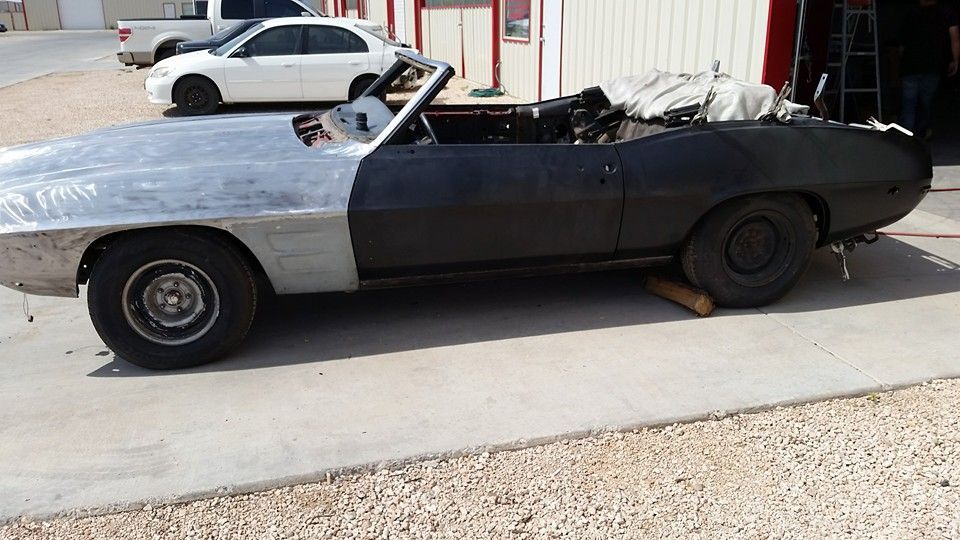
Restoration work progresses through documentation and disassembly first, with components labeled and photographed to guide reassembly months later when memory of original configuration has faded. Metalwork addresses rust perforation in floor panels and structural sections, often requiring welding patches or replacing entire sections rather than applying filler over compromised metal that will fail again within years.
Once restoration reaches completion, systems function reliably enough for regular use rather than static display, with electrical circuits that don't short out, brakes that stop predictably, and engines that idle smoothly rather than requiring constant adjustment. You'll notice fit and finish quality that matches or exceeds factory specifications from the vehicle's original production era, with panel gaps consistent across the body and paint that shows depth from proper surface preparation rather than the thin appearance of shortcuts.
Long-term projects require planning around parts availability, since discontinued components often need fabrication or sourcing from specialty suppliers who don't maintain consistent inventory. Restoration scope varies dramatically based on whether you're preserving originality for show judging or modifying for improved performance and daily driving reliability. Some owners prefer phased restoration that returns the vehicle to service between stages, while others commit to complete teardown that produces better results but extends the timeline significantly.
Questions Before Starting Your Project
Owners considering restoration work often need guidance on scope definition and realistic expectations for timeline and cost management.
What separates a quality restoration from basic refurbishment?
True restoration addresses underlying mechanical and structural issues rather than simply making the vehicle look presentable—this includes rebuilding systems to correct specifications, replacing worn components before they fail, and correcting previous repair shortcuts that compromise function or longevity.
How do shops determine which original components to preserve versus replace?
The decision depends on whether parts retain structural integrity and proper function—surface rust on solid metal gets cleaned and treated, while rust perforation requires replacement since filler and paint only hide problems temporarily without restoring strength.
Why does restoration work take significantly longer than standard repairs?
Disassembly reveals hidden damage and incorrect previous repairs that weren't apparent during initial assessment, parts sourcing for older vehicles involves waiting on specialty suppliers, and proper metalwork and paint preparation can't be rushed without compromising final quality.
What should owners expect regarding cost variations during restoration?
Hidden damage discovered during teardown, parts that arrive damaged and require reordering, and fabrication of components no longer available all extend budgets beyond initial estimates, which is why experienced restorers recommend contingency planning.
When does restoration make sense versus replacing the vehicle?
Restoration suits vehicles with unique history, emotional significance, or collector value that exceeds restoration cost—purely financial analysis often favors replacement, though personal attachment and specific model scarcity justify investment that spreadsheets don't capture.
Moreno's Elite Autoworks LLC brings precision and lasting results to restoration projects throughout the region, working with owners to balance authenticity with functional improvement. Arrange a consultation to discuss your specific vehicle and develop a restoration plan that aligns with your goals and timeline.